What is financial inclusion?

Financial inclusion is key to a resilient, equitable society. Yet many struggle to access basic banking services, fair credit, and secure digital payments. By addressing issues like discriminatory lending, deceptive financial practices and limited competition in the payment systems market, policymakers can help the financial system serve everyone. Understanding financial inclusion Financial Inclusion is the…

Read More

More risk, no reward? The strange revival of securitisation

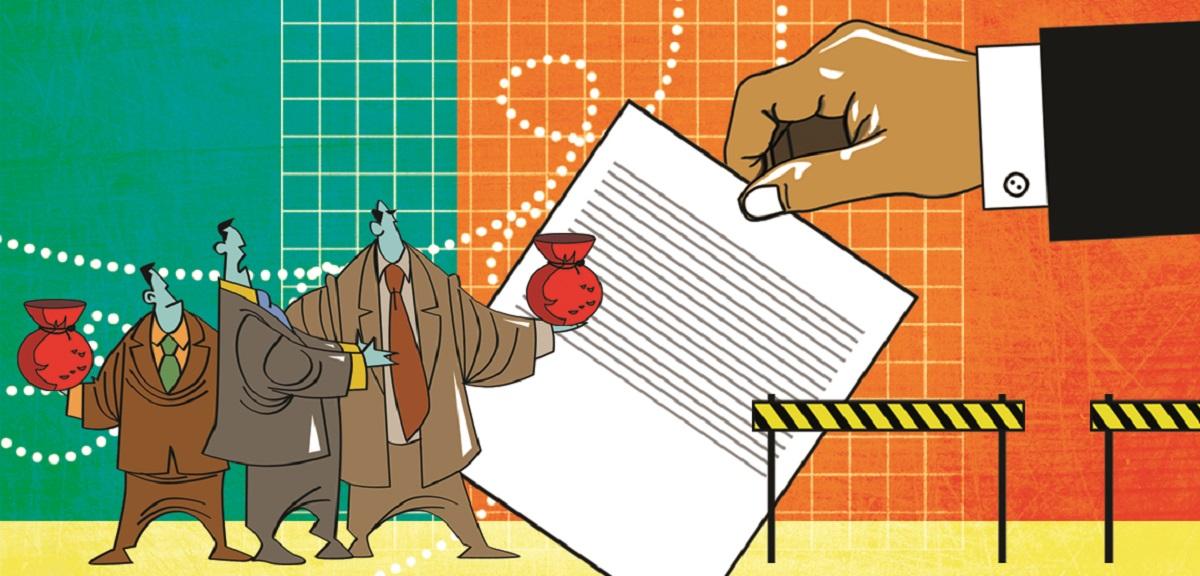
The European Commission is preparing reforms to revive a niche financial tool: securitisation. This instrument bundles loans like mortgages or consumer credit into financial products (securities), which are then sold to investors. Before 2008, it was promoted as a way to spread risk. In reality, it spread instability. When subprime loans in securitisations defaulted, they…

Read More
How unfair commercial practices in finance put consumers at risk

In today’s digital marketplace, misleading practices endanger consumers of financial services. This blog explores the tactics undermining trust, inclusion and consumer protection. What are unfair commercial practices? Unfair commercial practices refer to business-to-consumer behaviours that aim to deceive or manipulate consumers. By providing false or inaccurate information, or omitting key facts, businesses can pressure consumers…

Read More
Dark patterns explained: how to spot and avoid deceptive UX

Dark patterns aren’t just sneaky design tricks. They manipulate users and expose consumers to unfair practices. Learning how to recognize and avoid them is key to a safer, fairer digital marketplace. What are dark patterns? Dark patterns, also known as deceptive user experience (UX) patterns, or Black UX, are deliberate design tactics that trick online…

Read More
Misleading economic models increase the risk of a climate financial crisis

The models used by economic authorities to quantify the financial impact of climate change give financial markets a false sense of security. By understating climate risk, they allow delayed action, which fuels the build-up of systemic risk and increases the likelihood of a climate-driven financial crisis. Misled into the storm by “overly-sunny” economic forecasts Imagine…

Read More