
Dark patterns explained: how to spot and avoid deceptive UX
Dark patterns aren’t just sneaky design tricks. They manipulate users and expose consumers to unfair practices. Learning how to recognize and avoid them is key to a safer, fairer digital marketplace.
What are dark patterns?
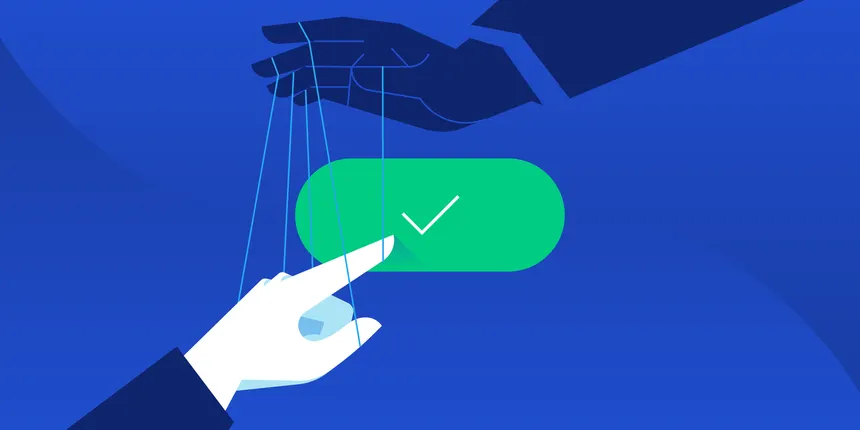
Dark patterns, also known as deceptive user experience (UX) patterns, or Black UX, are deliberate design tactics that trick online users into making choices that aren’t always in their best interest.
Chances are, you’ve encountered dark patterns – 97% of websites and apps in Europe use them. To make matters worse, they’re just one of a growing number of unfair commercial practices risking online consumer safety.
At times, these tactics seem harmless. You click yes to speed up the transaction and end up subscribed to a newsletter that you probably won’t read. No harm done.
But if you’ve ever tried to cancel a service, only to find yourself stuck in a maze of confusing menus and guilt-tripping prompts, you know how frustrating, and potentially damaging, dark patterns can be.
As digital services become woven into everyday life, the use of deceptive UX design has exploded. Increasingly, these designs nudge consumers in ways that boost the bottom line, but leave the individual worse off.
It’s important for consumers and businesses alike to understand dark patterns, as they can cause serious personal, financial and legal consequences.
Who dark patterns impact and why they work
Dark patterns exploit how the human brain processes information, triggering confusion and stress to push consumers into choices they wouldn’t normally make.
By manufacturing urgency, these designs create a fear of missing out that prevents people from thinking clearly. They also nudge or pressure users into giving up control of their personal data and privacy.
In one of the most high-profile cases, TikTok was fined €345 million by the Irish Data Protection Commission for using unfair design practices targeting children. In addition to employing improper age verification mechanisms, the app’s default settings pushed pop-ups steering children to choose a public account.
Dark patterns affect everyone, but some groups, especially those lacking access to fair and inclusive services, are most at risk.
Seniors may struggle with complex interfaces and small print.
People with low digital literacy are less likely to recognise manipulative tactics.
Children and teenagers are more susceptible to social proof, bright colours, and gamified tactics.
Consumers under stress or money-related pressure are more likely to act quickly and overlook subtle traps.
Common examples of deceptive UX design patterns
While dark patterns take many shapes and forms, each is designed to steer users towards choices that benefit the business over the individual.
The list below highlights some of the most common manipulative design tricks users encounter today.
Nagging
This tactic bombards users with repetitive prompts, pop-ups or notifications that push them towards a specific action, usually one that they’ve already declined. Over time, the constant interruptions chip away at users’ patience, making them give in just to stop the hassle.
Social media apps, such as Instagram, are notorious for nagging users to turn on notifications and making it hard to permanently dismiss them.
Misleading discounts
Sometimes products or services are shown at a discount compared to an inflated, outdated, or even fake reference price, creating the illusion of savings.
For example, a retailer might list an item at 50% off based on a price it never actually sold at, making the deal seem better than it really is and tricking users into buying something they wouldn’t have otherwise.
Roach motel (hard to cancel)
Designed to trap users and wear them down, the roach motel makes it easy to sign up but difficult to unsubscribe.
In one of the most notable examples, e-commerce giant Amazon settled a USD 2.5 billion dollar lawsuit for using the roach motel to dupe millions of customers into signing up for Prime, while making the cancellation process deliberately difficult.
Disguised ads
Disguised ads intentionally blur the line between actual interface elements and sponsored material, editorial and sponsored material.
For example, in-app notifications may resemble system alerts or helpful tips, but actually promote a product or service. In other common cases, fake download buttons don’t deliver the promised content, instead taking you to sponsored content or even malware.
Fake social proof
Not all five-star ratings are what they seem. Marketing teams, PR firms and individual sellers often post bogus online reviews or ratings to create a false sense of popularity or trust around their products.
According to research shared by BEUC – The European Consumer Organisation – and its Spanish member OCU, up to 8.4% of products on Amazon and 6.2% of hotels on TripAdvisor use fake reviews.
Drip pricing
Drip pricing is when extra costs appear after the user has started the purchase process. If you’ve ever bought an airline ticket convinced you were getting a deal, only to find the final price skyrocket once baggage, seat selection and services fees and taxes were added, then you’ve fallen victim to this common dark pattern.
Hidden costs
Hidden costs are a design trick that conceals unexpected fees, which are buried deep in the checkout process and only revealed at final payment.
Hidden subscription
This pattern sneakily enrolls users into a recurring payment when they believe they’ve signed up for a free trial or made a one-time purchase.
Subscription information is often hidden in pages of fine print, making it hard to spot before the charges begin. Worse yet, sellers may claim that you knew about the subscription or even explicitly consented to it.
Fake urgency and fake scarcity
Dark patterns sometimes invent deadlines or stock shortages, sometimes known as scarcity cues, to exploit a fear of missing out, pressuring users into quick decisions without taking the time to think through the purchase.